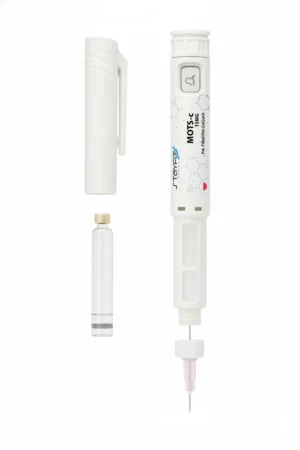
ACP‑105 35MG/1,5ML
£232.00
Pre Filled Pen GoQuick
Product Description
Product Profile: ACP-105 ACP-105 is a synthetic, selective androgen receptor modulator (SARM) engineered to deliver significant anabolic benefits with a minimized side-effect profile. By exhibiting high affinity for androgen receptors specifically within skeletal muscle and bone tissue, ACP-105 avoids the systemic activation of other hormonal pathways—such as those affecting the prostate—that typically lead to adverse reactions in traditional androgen therapies. It is currently utilized as a research tool for sarcopenia, osteoporosis, and musculoskeletal rehabilitation.
Mechanism of Action Upon binding to specific androgen receptors, ACP-105 initiates gene transcription responsible for protein synthesis, cellular regeneration, and bone mineralization. Crucially, it does not interact with aromatase enzymes (preventing estrogen conversion) or other non-target hormonal systems. This specificity allows for the study of musculoskeletal enhancement without disrupting general endocrine regulation.
Comparative Analysis
-
vs. Ostarine (MK-2866): ACP-105 shares a similar safety profile and anabolic potential but may offer a faster onset of action. Both are ideal for muscle preservation, but ACP-105 is often preferred for shorter protocols requiring moderate but distinct results.
-
vs. Ligandrol (LGD-4033): While Ligandrol offers more aggressive mass building, it carries a higher risk of suppression. ACP-105 provides a milder anabolic effect but significantly less disruption to the hormonal axis, making it superior for recovery-focused research.
-
vs. S23: Unlike S23, which is highly potent and suppressive (often requiring TRT support), ACP-105 is a “gentle” compound suitable for studies where minimal systemic risk is required.
Administration Protocol
-
Dosage: 5 units once daily.
-
Cycle Length: 4–6 weeks, followed by a 2–4 week washout period.
-
Concentration: 1 unit is equivalent to 23.33mcg.
-
Capacity: Each pen contains 150 units.
Safety Profile ACP-105 is noted for good tolerability. However, potential side effects may include temporary suppression of endogenous testosterone and variable individual sensitivity. Long-term safety data is currently limited.
Related products
-
Price range: £223.00 through £290.00
MOTS-c
Select options This product has multiple variants. The options may be chosen on the product page